BARRIER FREE LIFE
An Erasmus+ small-scale partnership project in the field of youth (KA210-YOU), coordinated by «Fundación También»
Its main objective has been to promote the social inclusion of young people with disabilities through adapted activities, non-formal learning, international cooperation, and collaborative work among European organisations. The project addressed the need to create more accessible and inclusive environments, provide real opportunities for youth participation, and improve the physical and emotional well-being of participants. It also aimed to strengthen the capacity of partner organisations in inclusive methodologies, planning, coordination, and networking.
This project falls within the framework of small-scale partnerships, an action under the Erasmus+ programme designed to facilitate access to funding for small organisations, community-based entities, local associations, or newcomers to the programme. This type of partnership is particularly suitable for organisations with less experience in international projects or with limited resources.
PROJECT OBJETIVES
At a general level, the main objectives of the project were to: encourage the active participation of young people with disabilities in educational, sports, and community activities; improve their autonomy, self-esteem, social skills, and sense of belonging; strengthen the competences of partner organisations to design and implement inclusive actions; and consolidate a European cooperation network capable of ensuring the continuity of new initiatives. The project also aligned with the horizontal Erasmus+ priority of inclusion and diversity in education, training, youth, and sport.
SPECIFIC OBJETIVES
Cooperation
Facilitating transnational cooperation between organisations from different European countries.
Creative projects
Supporting local innovation by generating creative projects with a positive impact at community level.
Exchange of good practices
Promoting the exchange of good practices, knowledge, and experiences in areas such as education, inclusion, sustainability, and innovation.
Competences and skills
Building capacity by strengthening the competences and skills of participating organisations.
Social inclusion
Fostering the social inclusion of disadvantaged groups, such as people with disabilities, migrants, or young people with fewer opportunities.
PROJECT IMPLEMENTATION
Regarding the activities carried out, the project combined international meetings, practical sessions, and joint evaluation spaces in several countries.
TÜRKIYE
First face-to-face partner meeting
- In Türkiye, the first face-to-face partner meeting took place, playing a key role in launching the partnership. During this activity, project management sessions were held, roles were clarified, a shared timeline was created, and objectives and expected results were jointly defined. Educational planning was also addressed, including visits to institutions with good practices in special education, the exchange of resources, lesson plans and educational materials, as well as a seminar involving people with disabilities and their families. This activity made it possible to establish a common methodological basis and strengthen the planning capacity of the participating organisations.
SPAIN
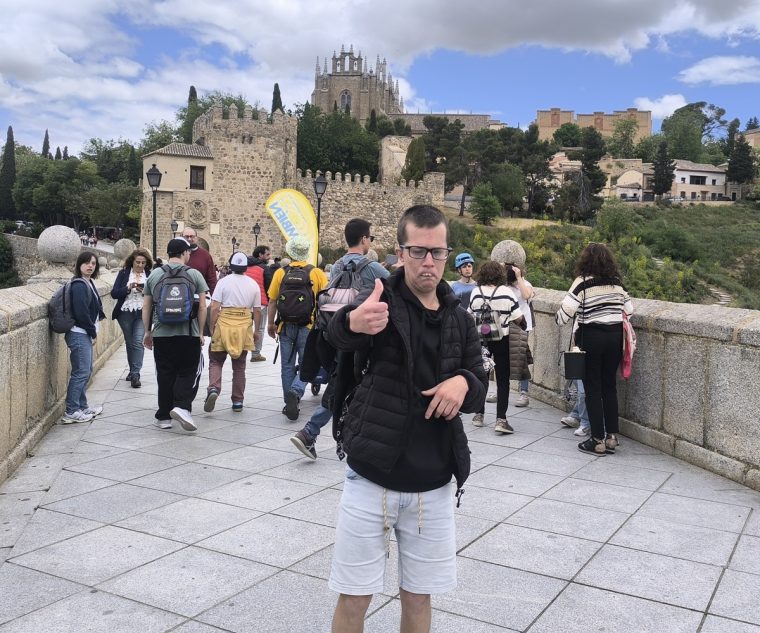
5 Days of Adapted and Inclusive Success in Toledo
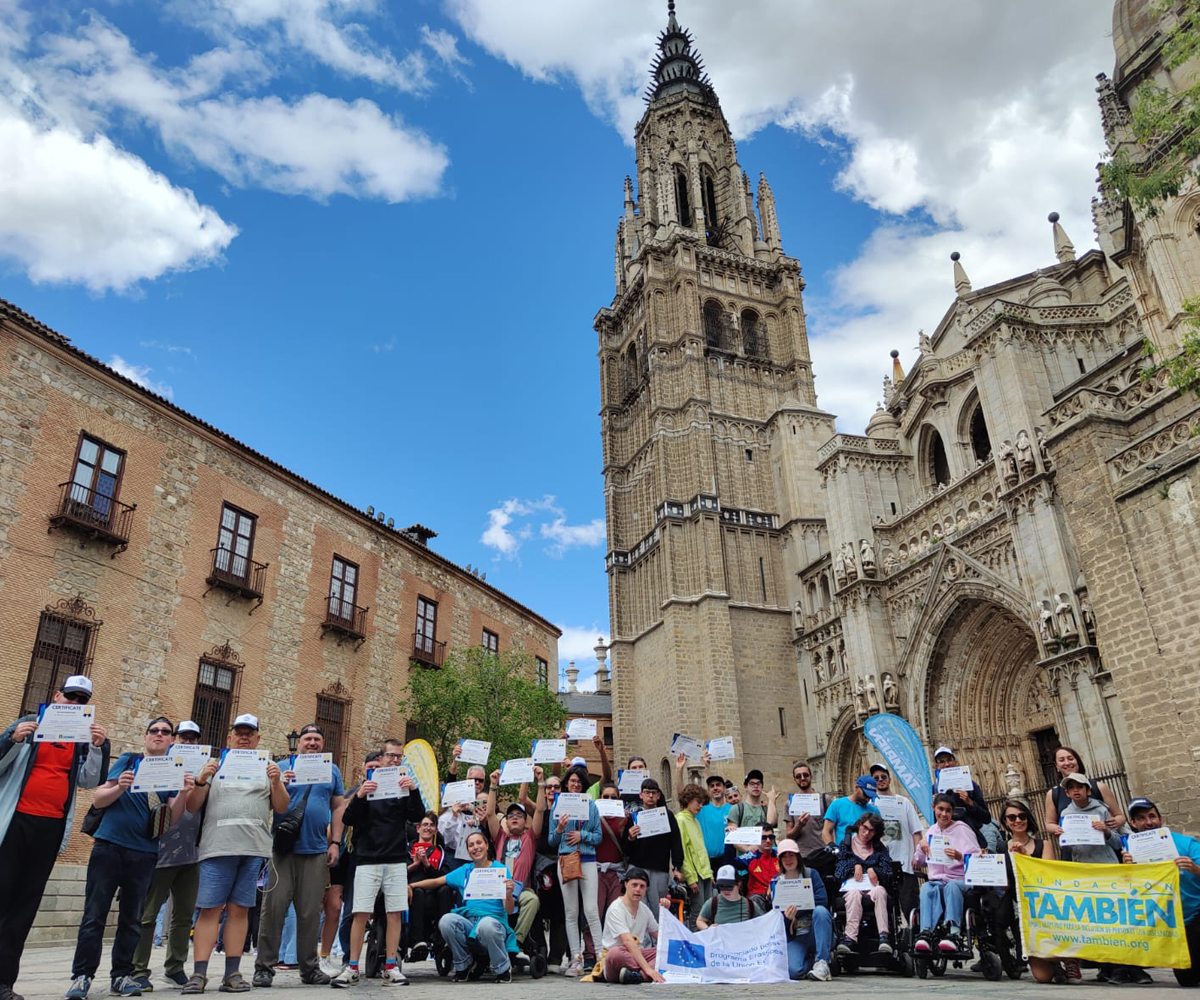
- In Spain, one of the project’s central activities was carried out: a 5-day international event in Madrid focused on adapted and inclusive sport and on the development of personal and social skills. Young people with disabilities aged between 10 and 30 took part, together with representatives from the partner countries. The programme included an initial welcome and orientation session, a day of adapted sport, integration and cooperation activities, competence-building dynamics focused on resilience, self-esteem and leadership, cultural activities such as visits to Puy du Fou and Toledo, and a final closing day with sports activities and certificate delivery. This activity contributed directly to increasing participation, improving physical condition, strengthening confidence and self-esteem, developing new skills, and promoting social inclusion and a sense of belonging.
ITALY
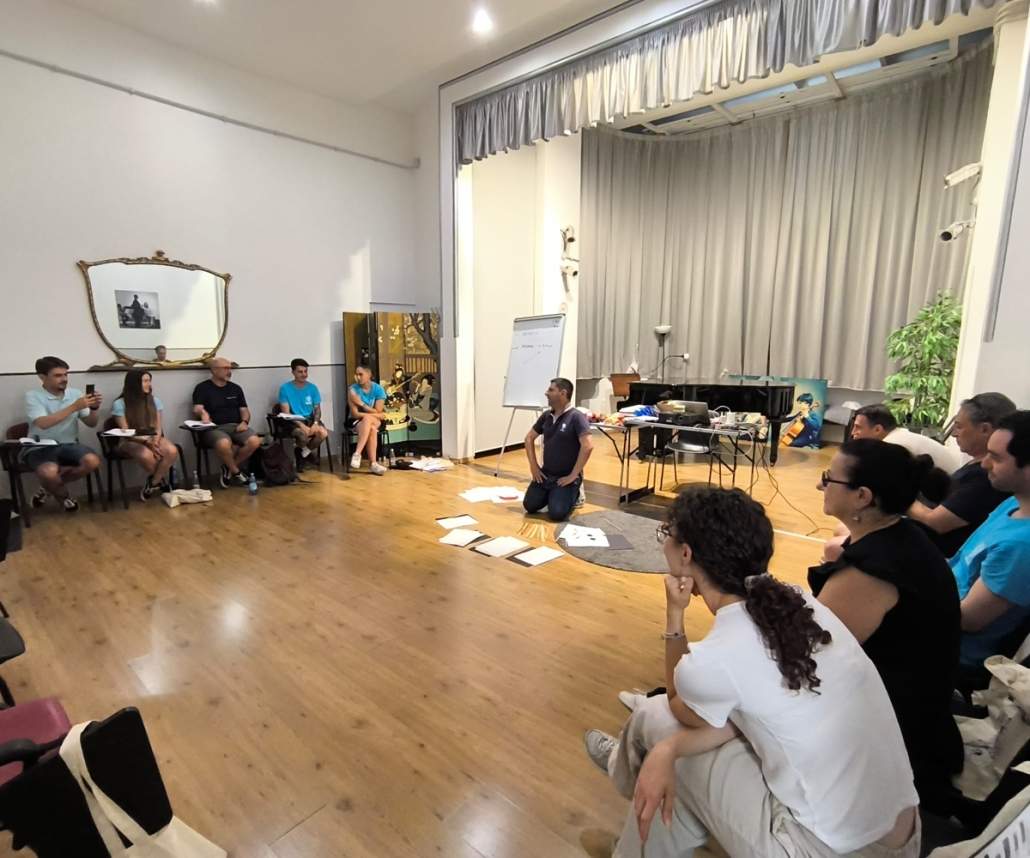
Programme to Undertake Intensive Training on the BAPNE Method
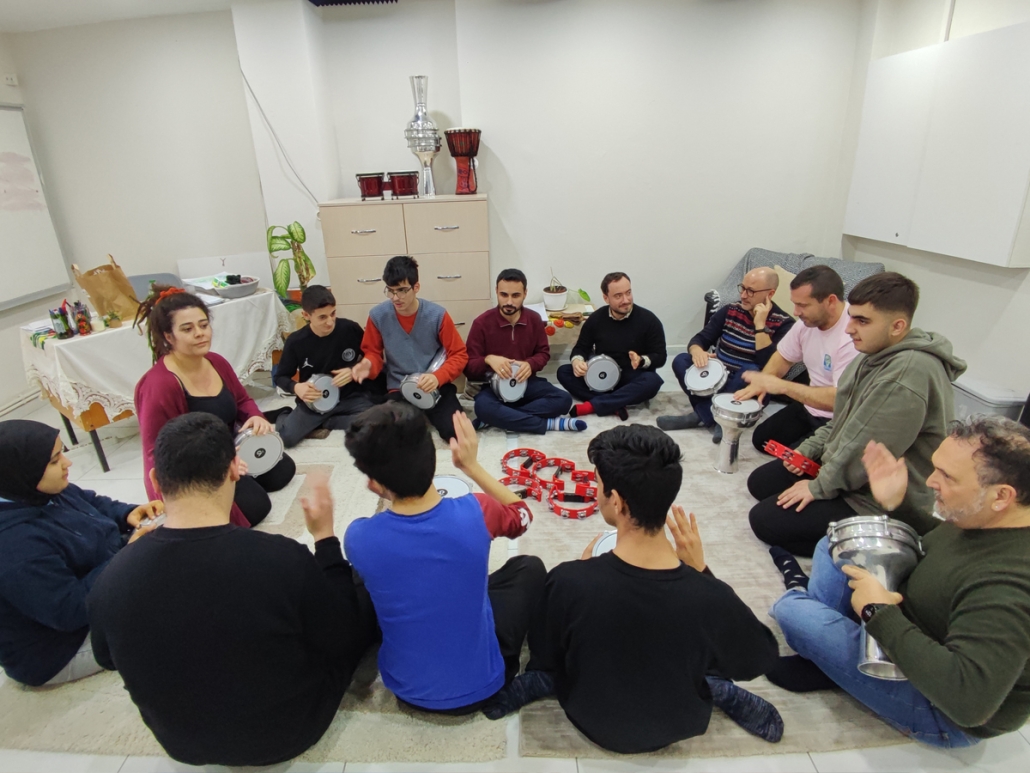
- In Italy, the project developed one of its most innovative outcomes through music therapy and psychomotricity sessions, with a strong focus on well-being, inclusion, and artistic expression. Activities included group music dynamics, body percussion exercises, music therapy workshops, and psychomotor sessions guided through the BAPNE method, aimed at improving physical coordination, sensory integration, and emotional expression. The process culminated in a final performance, which served both as a tangible artistic result and as a tool for social awareness-raising. In addition, this methodology proved to be transferable, as it later inspired new inclusive activities.
PORTUGAL
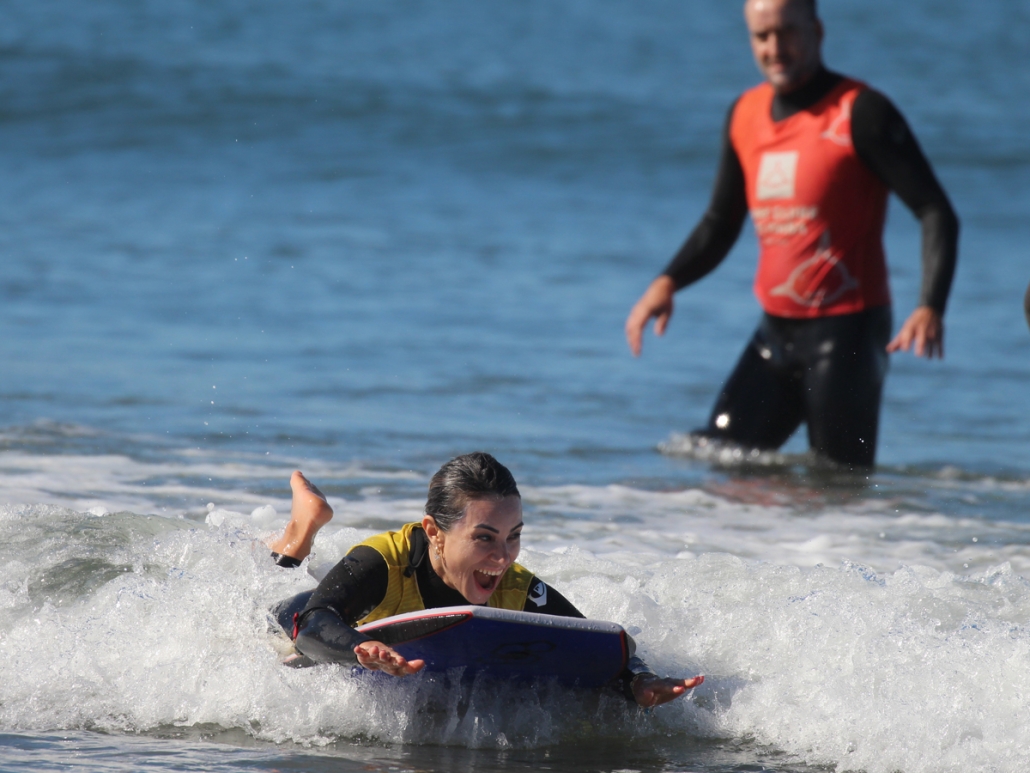
A Wonderful Final Milestone for the European Project “Barrier-Free Life” in Portugal
- In Portugal, the project concluded with the final meeting, focused on the overall evaluation and the collection of lessons learned. This phase made it possible to review achievements, identify challenges, and consolidate future lines of cooperation among the partners. As a communicable result, an approach to adapted surfing and sustainable inclusion in sport was also introduced, linking active inclusion with learning in natural environments, accessibility in outdoor sports activities, and environmental awareness, thereby reinforcing the educational and sustainable dimension of the project.
PROJECT RESULTS
Among the main results and lessons learned from the project are: Increased participation of young people with disabilities in inclusive activities; improvements in their autonomy, confidence, self-esteem, physical coordination, social skills, and emotional well-being; stronger support for families and caregivers; and enhanced capacities of partner organisations in inclusive methodologies, planning, evaluation, and coordination. The project also consolidated a stable European network, facilitated the exchange of good practices, and created a solid basis for the continuation of future joint actions.
At a methodological level, the most relevant lessons learned were: the importance of combining sport, art, and non-formal learning as tools for inclusion; the value of shared educational planning from the outset; the usefulness of specific methodologies such as the BAPNE method; the need to involve families and participants in evaluation processes; and the effectiveness of working with a flexible, practical, and transferable approach, even if no single formalised toolkit was ultimately produced.
«Barrier-Free Life has shown that a small-scale partnership can generate a highly significant impact: real inclusion, high-quality practical learning, lasting cooperation between organisations, and concrete improvements in the participation and well-being of young people with disabilities and their families»
Webside designed by Fundación También